
Okay, so check this out—have you ever thought about how you store your crypto? I mean, really thought about it? Most people just toss their private keys into some app or scribble down seed phrases on paper (yikes). But it’s 2024, and we’re still relying on these fragile methods. Something felt off about that for me. Like, why aren’t we using tech that blends convenience with serious security?
Then I stumbled across this smart card wallet thing, and I gotta say, it blew my mind a little. The concept is simple but elegant: a hardware wallet that looks and feels like a credit card, but it’s packing hardcore cryptography inside. Wow! It’s almost like having a vault you can slip into your wallet or even your phone case. No bulky gadgets, no USB fuss.
Initially, I thought, “Okay, cool gimmick.” But then I realized this approach is actually solving a big headache for many crypto users—secure cold storage that’s also super portable. On one hand, you have hardware wallets that are clunky, and on the other, mobile wallets which, honestly, can be sketchy if your phone gets compromised. Though actually, this smart card wallet concept kinda bridges that gap nicely.
Here’s the thing. The Tangem wallet uses NFC technology, meaning you just tap your card to your phone to sign transactions. No cables, no complicated pairing. Seriously? Yeah. It’s that seamless. Plus, the private keys never leave the card itself, which means even if your phone is hacked, your crypto stays safe. That’s a big deal in a world where phone malware is getting nastier every day.
Hmm… I’m biased, but this smart card form factor just makes crypto feel more real, more tangible. Like, instead of some abstract string of numbers, you hold a physical object that embodies your digital fortune. It’s kinda comforting, not gonna lie.
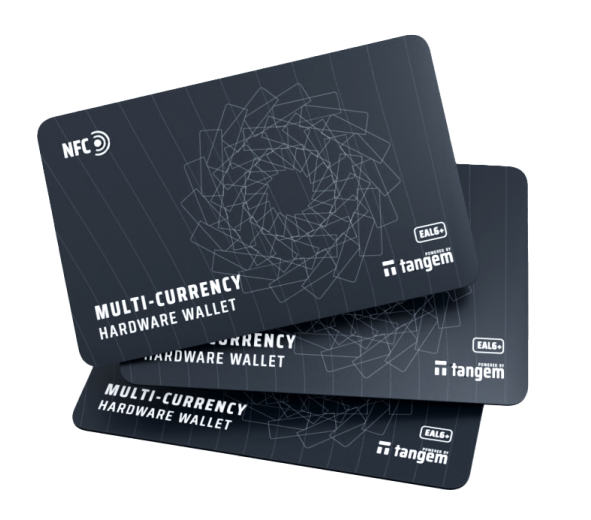
What Makes a Smart Card Wallet Different?
So, what sets these hardware smart card wallets apart from your typical crypto storage? Well, for starters, the user experience. Most hardware wallets require cables, drivers, or special apps that can be a pain, especially for newcomers. The Tangem wallet, for example, just works with your phone’s NFC—no extra steps. That’s a huge plus for adoption.
But beyond ease, security is king here. Traditional hardware wallets store your private keys offline, which is great, but they can be lost, stolen, or damaged. Smart cards like Tangem are built tough. They’re water resistant, tamper-proof, and small enough to stash anywhere. Plus, each card has a unique secure chip that’s resistant to hacking attempts. It’s very very important to know that your keys aren’t floating around in some app or exposed to malware.
Still, I’m not gonna pretend it’s perfect. One thing bugs me: if you lose the card and don’t have a backup, you’re in trouble. Though, Tangem offers a way to create multiple cards with the same wallet credentials, so you can kinda have a backup card stashed somewhere safe. That’s a neat workaround.
Another point to consider is that smart card wallets are still relatively new tech. So, not all services support direct integration yet. You might run into some friction when trying to use certain decentralized apps or exchanges. But the ecosystem is growing fast, so this will likely improve.
Oh, and by the way, these wallets often come paired with mobile apps that let you check balances, initiate transactions, and manage assets easily. The app itself never has access to your private keys, which again, keeps your funds locked down tight. This layered approach—hardware plus app—is pretty clever.
My Experience With Tangem Wallet
I’ve been messing around with the tangem wallet for a few months now, and honestly, it’s one of the smoothest setups I’ve used. At first, I was skeptical about the NFC thing—would it be slow? Unreliable? Nope. Transactions go through quick, usually faster than plugging in a device or scanning a QR code.
One time, I was at a coffee shop, and I needed to send some ETH. I just tapped my card against my phone, approved the transaction with a quick tap on the card’s secure chip, and done. No fumbling with cables or paranoid about public Wi-Fi. That moment made me realize how practical this tech can be.
That said, it took me a bit to get used to the idea that my private keys live on a tiny card. My instinct said “That’s risky!” but then the more I dug into the security design, the more I appreciated how hardened these chips are. They’re built like Fort Knox but in credit card form. Honestly, I wasn’t expecting that level of sophistication.
Sometimes, I worry about damage—what if the card bends or gets scratched? But Tangem cards are surprisingly durable. Still, I keep mine in a protective sleeve just in case. You never know.
Something else I like is that the card doesn’t require batteries or charging. It’s passive tech, powered by your phone’s NFC field. That means no downtime or annoying updates. You just tap and go.
Why This Matters for Everyday Crypto Users
Look, the crypto world can be intimidating. Wallet security is a nightmare for many, and losing your keys means losing your funds forever. A lot of folks give up or stick with exchanges that hold their coins—risky move. Smart card wallets help lower the barrier by making strong security accessible and user-friendly.
There’s also a psychological factor. Holding a physical wallet that represents your crypto feels more real. It’s like having a tangible connection to your digital assets, which oddly enough, makes you more mindful about security. I don’t know about you, but I’m less likely to lose something if I can feel it in my pocket.
On the flip side, this tech pushes us toward a more decentralized future, where you truly own and control your assets without relying on third parties. It’s a small but important step toward financial sovereignty.
Still, remember, no solution is foolproof. You gotta stay vigilant and have backups. Maybe multiple cards stored safely or using trusted recovery methods. But if you’re looking for a blend of convenience, portability, and security, this smart card wallet approach is definitely worth checking out.
FAQ on Smart Card Crypto Wallets
How secure are smart card wallets compared to traditional hardware wallets?
They’re very secure because private keys never leave the card’s secure element. Plus, physical tampering is extremely difficult. The main difference is the form factor and user experience, but security-wise, smart cards like Tangem are on par or better due to advanced chip protections.
What happens if I lose my smart card wallet?
If you don’t have a backup, losing the card means losing access to your funds. However, some solutions allow multiple cards with the same credentials as a backup. Always create a recovery plan and never rely on just one device.
Does the smart card wallet work with all cryptocurrencies?
Not all yet. Support depends on the wallet’s firmware and integrations with apps. Tangem supports major coins like Bitcoin and Ethereum, and they’re expanding compatibility. Always check supported assets before committing.
Is it easy to use for beginners?
Yes. The tap-and-go NFC interface combined with a simple mobile app makes it very beginner-friendly. No cables, no complex setup—just your card and phone.